food allergy
Food allergy is by no means an excuse for being "pretentious" or "picky eaters". It is an indiscriminate and erroneous attack by the human immune system on specific food ingredients. In mild cases, it can cause rashes and itching, vomiting and diarrhea, and in severe cases, it can induce laryngeal edema, anaphylactic shock and death. Currently, there is no radical cure worldwide. The core of daily protection for all patients revolves around "strict food avoidance + first aid plan".
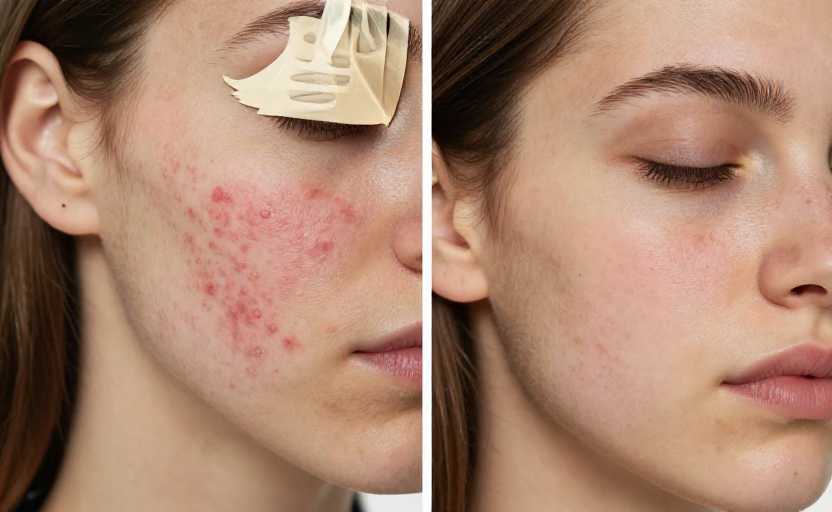
Last month, I was helping the teacher sort out the cases at the allergy department outpatient clinic. I happened to meet a mother and her son who came for a follow-up consultation. The 5-year-old child was severely allergic to milk. Last month, my grandma secretly fed her a mouthful of Wangzi milk while her parents were at work, saying, "I never drank it when I was a child." It’s okay if you take one less sip, you can’t go without milk for the rest of your life.” As a result, the child couldn’t breathe in ten minutes, and his face turned purple from holding it back. He was rushed to the emergency room and was intubated before he was rescued. The old lady sat at the door of the clinic crying, saying that she never thought that a mouthful of milk could kill her.
Many people's understanding of food allergies is still at the level of "uncomfortable eating", and they even think that parents are too pampered and their children have these inexplicable problems. In fact, the incidence of food allergies in China has increased very rapidly in recent years. The prevalence of food allergies in children under the age of 14 has reached 5% to 8%, which is almost one in every 20 children. It is really not a rare thing. Not only children, I also treated a 32-year-old patient last year who had been eating shrimps since he was a child. He was fine. During that time, his immunity collapsed after a big project, and he went into anaphylactic shock after eating half a shrimp. Later, IgE antibody was tested, and the shrimp allergy index was so high that he thought it was outrageous. But the fact is that it is so evil. The immune system is in trouble, and it doesn’t care whether you have had any problems after eating it for decades.
Regarding how to prevent food allergies, the academic community has actually been arguing for almost two decades and there is no complete consensus. Guidelines in the early years advocated "late exposure". High-risk children should not be exposed to highly allergenic foods such as peanuts, eggs, and seafood before they are three years old. Now many grassroots doctors will advise parents to do so. ; However, the follow-up data in the past ten years has slapped many people in the face. A large-sample study by the European Society of Allergy and Clinical Immunology in 2023 showed that high-risk babies who were regularly exposed to allergens such as peanut paste and boiled eggs at the age of 4 to 6 months were 81% less likely to develop peanut allergy than the group that completely avoided food. However, not everyone is suitable for early contact. If the baby has repeatedly suffered from eczema or has had a suspected food allergic reaction, blindly trying may trigger an acute attack. To put it bluntly, individualized evaluation is still required. There is no standard answer that is universally applicable.
I came across a post a while ago. The parents of a child with a mango allergy requested that the entire kindergarten be prohibited from eating mangoes. There was a lot of quarrel in the comment area. Some people said that the parents are too domineering and always ask the world to accommodate their children. Others said that the younger children have no sense of propriety. After eating the mangoes and touching their toys, the allergic children's eyes will swell into walnuts if they are touched or rubbed. Who is responsible if something goes wrong? In fact, most of the parents of children with allergies that I have come into contact with are not so extreme. More often than not, every time they take their children to a dinner party, they ask in advance whether there are nuts or milk in the dishes. They can only laugh when others roll their eyes. After all, no one wants a good dinner party to turn into an emergency scene. In fact, there is no black-and-white solution. It's just that parents prepare special meals for their children in advance, teachers pay more attention to wiping the table and washing hands after eating highly allergenic foods, and others don't say "What about it?", that's enough.
There are still many people who confuse food allergies and food intolerances. Last time, a young man signed up and slapped the table and said that he must be allergic to wheat. Every time he eats noodles, he gets bloated. The results showed that the IgE antibodies were all negative. It is a common wheat intolerance. To put it bluntly, the digestive tract lacks the corresponding digestive enzymes. It has nothing to do with the immune system. It can be solved by taking some digestive enzymes. It is completely different from allergies. A real food allergy can cause trouble even if you have a little bit of it. Intolerances are mostly caused by eating too much and you feel uncomfortable. Don’t label yourself as an allergy, and don’t mistake a real allergy for an intolerance.
I have also met many people who tried it at home after hearing the talk of "desensitization." There was a girl in her twenties who was allergic to mangoes. She said that she could tolerate it gradually after taking a small bite at a time. After the third trial, she went to the emergency room for allergic shock and almost didn't survive. There is indeed a plan for oral immunotherapy, which is to slowly increase the intake of allergens from a small dose to gradually induce immune system tolerance. However, the entire process must be done under the supervision of a doctor, and emergency medicine is always available. Trying it at home is equivalent to risking your life. Don't joke with your own life. By the way, for patients who are diagnosed with severe food allergy, it is best to always have an epinephrine pen in their bag. If they are short of breath or have a tight throat, immediately prick the outer thigh and go directly to the emergency room after pricking. Don’t wait for anti-allergy medicine to take effect. I really can’t afford to wait.
It’s interesting to say that although “food allergy” is a four-letter word, many family members of patients always like to say “these two words are the red line in our family.” To put it bluntly, what is hidden behind these two words is the half-tone that patients always mention, and it is also a bit of consideration that others should have. If you encounter someone repeatedly checking with you whether there is a certain ingredient in the dish, don't take it too much trouble. It's better to ask more than to cause trouble.
Disclaimer:
1. This article is sourced from the Internet. All content represents the author's personal views only and does not reflect the stance of this website. The author shall be solely responsible for the content.
2. Part of the content on this website is compiled from the Internet. This website shall not be liable for any civil disputes, administrative penalties, or other losses arising from improper reprinting or citation.
3. If there is any infringing content or inappropriate material, please contact us to remove it immediately. Contact us at: