Diet health management
As for how ordinary people manage their diet and health, the core answer is never a unified menu or some kind of dietary rules that must be followed, but to find a dynamic balance that suits your own physical condition, life rhythm, and dietary preferences. There is no need to extremely restrict appetite, nor do you need to copy Internet celebrity templates to create anxiety for yourself.
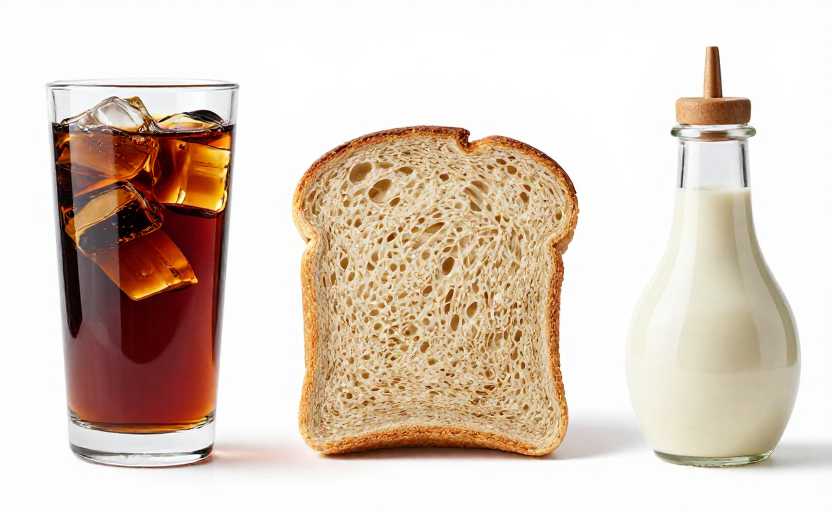
I have been doing public nutrition consulting for almost six years, and I have come across too many people who make mistakes: Last year, a girl who worked in Internet operations came to me for weight management. She said that she had followed Xiaohongshu to learn the Mediterranean diet for half a month, drank 10ml of olive oil on an empty stomach in the morning, and ate quinoa salad every day. As a result, she suffered from nausea and constipation for three days. In the end, she couldn't help but eat two butter hot pot meals in a row. Not only did she gain three pounds, she also suffered from the problem of "nausea when mentioning salad". To put it bluntly, it's like using other people's templates to fit your own life. It's like wearing shoes that don't fit your feet. You'll be in pain after you can't walk very far.
The diet management logic currently popular on the market can actually be divided into several directions. There is no absolute right or wrong, only whether it is suitable or not. The "quantitative school" who advocates precise calculations emphasizes the accurate ratio of calories and macronutrients in each meal to grams, which is really practical for diabetic people who need to strictly control their sugar for fitness and muscle building. However, for ordinary office workers who have to rush to the morning rush hour, hold three or four meetings every day, and pick up their children after get off work, the implementation threshold of this method is too high. If you insist on copying it, it will be easy to fail to stick to it, and finally fall into the vicious cycle of "diet - failure - self-blame". There is also the "Intuitive Eating School" that has become popular in recent years. It advocates completely following the body's feelings, eating when you are hungry and stopping when you are full, without restricting any food types. This method is very friendly to people with eating disorders and long-term food anxiety. However, if people who are not sensitive to hunger perception and are used to eating heavy and fatty foods follow this trend, it is easy to accidentally overeat, which will increase the burden on the body. What more ordinary nutrition practitioners recommend is actually the idea of "food first". There is no need to calculate and give priority to low-processed ingredients such as whole grains, high-quality protein, fresh fruits and vegetables. Relaxing the strict requirements on seasoning and calories makes it easier to stick to it for a long time.
To be honest, what most people need is not a diet plan that is accurate to the gram at all, but small choices that can be implemented without using their brains. If you catch the subway in the morning and don’t have time to make a fat-reduction meal, buying vegetable buns at the breakfast shop downstairs is better than choosing custard buns. Having a boiled egg with it is better than drinking soy milk with half sugar added. You don’t have to worry about the difference of dozens of calories. At noon, I eat fast food from the company cafeteria. I use two more chopsticks to eat green leafy vegetables, pick out the fatty meat and leave a third of the rice. It is already much healthier than ordering takeout that is heavy in oil and salt. Make an appointment with friends to have hot pot and barbecue on the weekend. Eat a small handful of plain nuts half an hour in advance to cushion your stomach. Don’t go in on an empty stomach and overeat. Try a small bite of dessert to satisfy your craving. There is no need to feel guilty - after all, there are only two dinner parties a week, and the remaining five days are relatively healthy. The overall balance is already enough.
The biggest misunderstanding that many people have about dietary health management is that they regard it as a black and white multiple-choice question. They think that eating a bite of milk tea and fried chicken is "breaking gong", and eating boiled vegetables every time is "self-discipline". I once had a male programmer client who ate only boiled chicken breasts and boiled vegetables for three months in a row to reduce body fat. He even added very little salt. In the end, his body fat did not drop much, but his uric acid increased first. He was also in a bad mood because he could not eat what he wanted for a long time, and he had two fights with his colleagues in a row. Later, I adjusted the plan for him, allowing him to eat his favorite fried chicken or kebabs once a week, and he could also season his usual dishes with soy sauce and chili pepper. He persisted very well. In three months, his body fat dropped by 4 percentage points, and the uric acid level in the physical examination returned to the normal range.
In fact, the essence of dietary health management is to learn to get along with your body, and not to become an ascetic self-restraint. I usually eat meat and vegetables from the company downstairs at noon on weekdays. When I feel hungry in the afternoon, I eat an apple or a small bag of original nuts. On weekends, I go out with friends to eat cheesecake and spicy crayfish. All the indicators in my annual physical examination are within the normal range. You have to know that the numbers on the menu are always a reference. Whether you are happy with your meal and comfortable in your body are the core criteria. After all, being able to stick to a lifelong eating habit is truly effective health management.
Disclaimer:
1. This article is sourced from the Internet. All content represents the author's personal views only and does not reflect the stance of this website. The author shall be solely responsible for the content.
2. Part of the content on this website is compiled from the Internet. This website shall not be liable for any civil disputes, administrative penalties, or other losses arising from improper reprinting or citation.
3. If there is any infringing content or inappropriate material, please contact us to remove it immediately. Contact us at: