Type 2 diabetes diet plan
There is no absolute fasting list for people with type 2 diabetes. The core logic is Control total caloric intake throughout the day, slow down carbohydrate absorption, and match your own drug/exercise metabolism level , as long as you determine your body's tolerance, you can eat most common foods, and there is no need to treat yourself harshly by eating boiled vegetables every time.
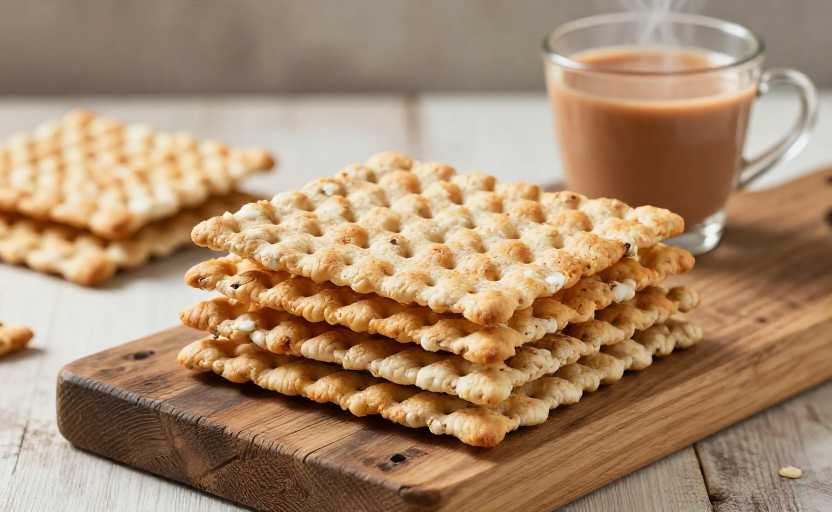
A while ago, I accompanied my aunt who has been suffering from diabetes for 12 years to the nutrition department for a follow-up consultation. Dr. Li, who attended the consultation, said that half of the misunderstandings about sugar control in the clinic were caused by her: she threw away all the rice and fruits as soon as she was diagnosed, and ate boiled vegetables with whole grains. As a result, she fell into ketosis after two months of starvation, and her glycosylated hemoglobin did not drop much, and her stomach was damaged first. In fact, there is currently no unified standard answer in the industry for diet plans for people with diabetes, and the suitable groups of people from different schools are very different.
For example, the low-carb/ketogenic school, which has become very popular in recent years, advocates reducing the carbohydrate energy supply ratio to less than 26%, and even reducing the ketogenic mode to less than 10%, using fat and protein to supplement calories. Uncle Liu, who lives downstairs in my house, is 58 years old. When he was diagnosed, his fasting blood sugar was 8.9. He didn't like to take medicine. He tried a low-carb diet for three months. He changed his habit of two bowls of white rice every meal to half a bowl of multigrain rice every meal. He ate more fat meat and vegetables. Now his fasting blood sugar is stable between 5.8 and 6.2, and he even reduced the amount of antihypertensive drugs. However, this program is quite controversial. Most doctors in the nutrition department do not recommend that people with diabetes who have poor liver and kidneys or high blood lipids try it. Long-term high ketone body status may also increase the metabolic burden. I have previously encountered young people with diabetes in their 20s who blindly tried ketosis on their own and were sent to the emergency room with 3+ ketones.
The mainstream balanced diet is much safer. It advocates maintaining the carbohydrate energy supply ratio at 45%-60% and giving priority to low GI (glycemic index) ingredients. For example, replacing white rice with half grains and half polished rice. The weight of each meal is controlled to 1-2 taels, and it is paired with 1 catty of green leafy vegetables and about 2 taels of high-quality protein (fish, poultry, eggs, and soy products are all acceptable). My aunt has been using this plan. She has a bad stomach and can't eat whole grains. So she cooks white rice with one-third of the oats, and then walks for 20 minutes after eating. Her post-meal blood sugar never exceeds 8, which is much more effective than eating a lot of health supplements.
Speaking of this, many people must ask, are fruits, milk tea, and cakes really off limits? How can it be so absolute? I have seen blood sugar levels soar to 11 after eating half a piece of watermelon, and I have also seen people eat 100g of watermelon between meals without any problems. The key is the timing and amount of eating. Take watermelon as an example. Although its GI is high, its carbohydrate content is actually lower than that of apples. If you eat half a piece immediately after a meal, your blood sugar will definitely skyrocket. If you are hungry at three or four in the afternoon, cut it into about 100g (about two small pieces) and eat it slowly. The blood sugar level will be lower than if you eat a sugar-free biscuit. As for milk tea cakes, which are high in sugar and oil, it is perfectly fine to eat a few bites to satisfy your cravings occasionally. Walk for half an hour after eating, and next time you can test your blood sugar and feel your tolerance. Sugar control is a lifelong matter, and you cannot be without your favorite food for twenty or thirty years.
Oh, by the way, don’t believe the nonsense about “you can eat sugar-free food as you like”. I used to have a diabetic patient. During the Mid-Autumn Festival, he felt that there was no sugar in the sugar-free mooncakes, so he ate two of them in one meal. After the meal, the reading reached 12.7, and he was chased and scolded by the doctor for half an hour. Sugar-free foods only do not add extra sucrose. The wheat flour and starch in the raw materials are themselves carbohydrates. If you eat too much, they will still raise sugar. When buying, check the ingredient list. If there are wheat flour and maltodextrin in the top three, they must be included in the daily staple food intake.
There is another controversy that has been going on for a long time: Can people with diabetes drink porridge? In fact, it depends on the situation. If pure white rice is boiled and sticky, drinking a bowl of it will raise your blood sugar faster than drinking sugar water. Of course, it is not recommended to drink it. ; But if you make multi-grain porridge made with mixed beans, oats, and brown rice, don't cook it for too long. Drink half a bowl with cold vegetables and boiled eggs. Your blood sugar will be very stable after the meal. Elderly people with bad teeth can definitely eat it this way.
To put it bluntly, a sugar-controlled diet is like balancing a balance. On one side is the amount of calories you eat, and on the other side is the amount of energy consumed by your own metabolism, drugs, and exercise. If the balance is not tilted, there will be no problem. You really don’t need to memorize what you can and cannot eat. Spend dozens of dollars to buy a blood glucose meter. Whenever you eat something new, test your blood sugar 2 hours after the meal. Try it for two weeks. You will know better than any nutritionist what your body can handle. Among the people with diabetes I have come into contact with, the ones with the best blood sugar control are never the ones who are the most demanding on themselves. Instead, they are the ones who can flexibly adjust - if I walked an extra 5,000 steps today, I would eat half a bowl of rice more. ; If you are going to a banquet tomorrow, eat two bites of vegetables first to fill your stomach, and then go to the staple food and meat. It will work better than any fixed recipe.
Oh, by the way, if you are not sure what plan is suitable for you, when you first prepare meals, go to the nutrition department of a regular hospital and spend dozens of dollars to have the doctor give you a rough range based on your weight, blood sugar, and underlying diseases. It is more reliable than reading ten so-called "sugar control secrets" online.
Disclaimer:
1. This article is sourced from the Internet. All content represents the author's personal views only and does not reflect the stance of this website. The author shall be solely responsible for the content.
2. Part of the content on this website is compiled from the Internet. This website shall not be liable for any civil disputes, administrative penalties, or other losses arising from improper reprinting or citation.
3. If there is any infringing content or inappropriate material, please contact us to remove it immediately. Contact us at: