Healthy Recipes Health Commission West
The National Health Commission has launched an exclusive healthy recipe based on the regional characteristics, ethnic dietary traditions, and residents' differences in nutritional needs of the 12 western provinces (autonomous regions and municipalities). The core is "not to apply one-size-fits-all nationwide, prioritize local supply, and respect traditional eating habits." It is currently available in The three pilot areas, Linxia in Gansu, Yushu in Qinghai, and Liangshan in Sichuan, have been in place for 18 months. They focus on providing adaptive dietary guidance for different scenarios such as high altitudes, plateau pastoral areas, and hot dry valleys, rather than directly applying the general dietary guideline standards in the eastern plains.
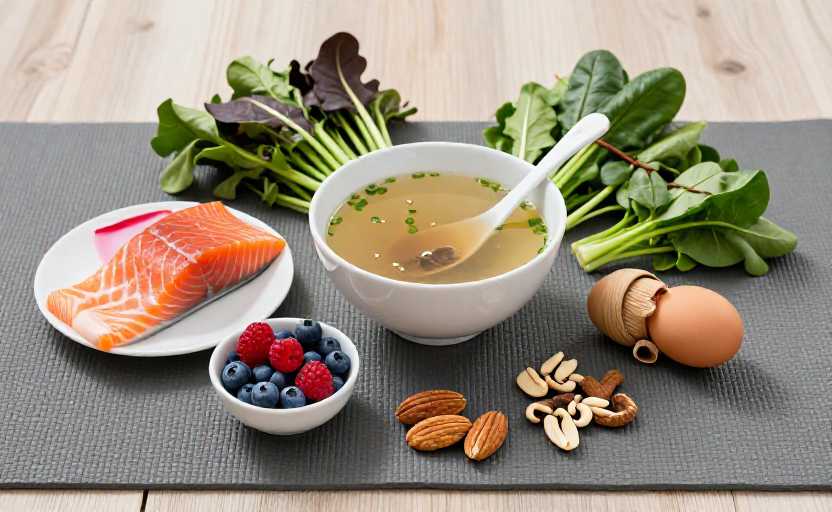
To be honest, I was a little surprised when I first saw this recipe at the Yushu Nangqian County Health Center. There were no "forbidden" or "not recommended" throughout. Instead, the first page printed butter tea, tsampa, and hand-picked meat, which local people eat every day. The words next to it were not "eat less" but "recommended to be paired with 1 spoon of fern sesame powder/dried sea buckthorn fruit" and "the amount of meat per meal should be about the size of a fist." I used to go to pastoral areas with a public welfare organization to do health missions. At that time, I was given the national dietary guidelines. I earnestly advised the herdsmen to drink less butter tea and put less salt. People waved their hands when they heard it: "In winter, when it is minus 20 degrees and I go out to herd sheep for a day, I can't bear the cold by drinking weak tea. Are your standards set for people in offices?" ”
This statement actually pokes holes in the differences that have been quarreling for several years in the nutrition community: one group insists that dietary standards should be unified, and the principle of low oil, low salt and low sugar is universally applicable, and you can adjust it yourself under special circumstances.; The other group believes that the west generally has the characteristics of high altitude, low temperature, and large seasonal differences in food supply. Many ethnic groups also have dietary customs that have been passed down for thousands of years. It is simply unrealistic to impose the standards of plain areas. On the contrary, it will make ordinary people feel that healthy recipes have nothing to do with them, and they do not even want to read them. The Health Commission’s Western-specific recipes this time are essentially a practical vote for the latter view.
I know Xiao Zhou, a grassroots disease control worker in Linxia Prefecture. He said that when he distributed a general recipe, he printed 10,000 copies and distributed them for half a month. When he went to people's homes to see them, most of them were filled with soy sauce bottles. Now this exclusive recipe is printed with hand-drawn illustrations of stuffed skin, sweet fermented grains, and hand-caught mutton, with suggestions on the side. They are all "less 1 spoonful of stuffed sesame sauce, more garlic and balsamic vinegar", "reduce half the salt in finger meat dipping sauce, and serve with a plate of cold scallions". People are willing to turn it over when they get it. Last month, the district conducted a survey and found that the standard control rate of hypertension was 7 percentage points higher than the same period last year. The effect is more obvious than ten education courses.
Of course, this does not mean that the principle of universal standards is completely abandoned. The core bottom line of nutritional intake is still maintained: for example, due to excessive sweating and rapid loss of electrolytes at high altitudes, the recommended daily sodium intake has been relaxed from the universal standard of 5g to 6g. This is not to encourage eating more salt, but to avoid fatigue and reduced immunity caused by blind salt restriction.; People in pastoral areas eat a lot of saturated fatty acids on a daily basis, so it is recommended to combine them with local wild sea buckthorn, fern hemp, and white thorn berries. There is no need to buy additional imported fish oil and vitamins. The ingredients at your doorstep can balance blood lipids and supplement vitamins. ; In the pilot project in Liangshan, Sichuan, people were not allowed to eat lump meat. It was just recommended not to repeatedly add salt when cooking, and to eat it with tartary buckwheat cake and round radish. If the amount of meat is enough, add two more chopsticks to the dish. This will not destroy everyone's ancestral eating habits, but also reduce excessive intake of fat and salt.
It’s quite interesting to say that I used to think that healthy recipes had to be based on cold standards, like giving everyone the same size of shoes, and it was up to you to tolerate whether they fit or not. But now after reading this recipe from the West, I understand that the real down-to-earth health guidance is to measure your feet and make shoes - you don’t have to give up what you have been eating for decades, and you don’t have to buy expensive imported ingredients. It’s enough to slightly adjust the mix and recipes at your original dinner table. I visited a village primary school in Liangshan a while ago and saw that the children's snacks were not the usual milk bread in the city. They were steamed local yellow yam, a braised egg, and a small box of freshly squeezed mulberry juice, all produced in the surrounding villages. The children ate it with a smile on their faces. The teacher said that this was also prepared according to this recipe. It has enough calories, vitamins, and protein, and there is no need to spend a lot of money to transport it from outside. You see, there is no health standard that is universally applicable. The one that suits you is the best.
Disclaimer:
1. This article is sourced from the Internet. All content represents the author's personal views only and does not reflect the stance of this website. The author shall be solely responsible for the content.
2. Part of the content on this website is compiled from the Internet. This website shall not be liable for any civil disputes, administrative penalties, or other losses arising from improper reprinting or citation.
3. If there is any infringing content or inappropriate material, please contact us to remove it immediately. Contact us at: