Reflux esophagitis dietary taboos
The first is foods that will reduce the pressure in the lower esophageal sphincter, the second is foods that directly irritate the damaged esophageal mucosa, and the third is foods that will prolong gastric emptying time and increase gastric pressure. This is the core principle recognized by the digestive industry. The rest of the specific taboo list is actually mostly adjusted based on personal tolerance. There is no absolute standard answer of "don't touch even one bite".
I have come into contact with no less than 30 patients with reflux in the past two years. When I was first diagnosed, I used a long list of taboos that I searched online. I stopped eating spicy, sweet, and cold. I drank white porridge and boiled noodles every day. As a result, I still suffered from acid reflux every day, burning my throat, not to mention suffering a lot. After asking, I found out that he had to eat two freshly steamed buns with pickles every morning. The esophageal mucosa was already burned by gastric acid and became congested and edematous. Food at 40 to 50 degrees Celsius was equivalent to pouring hot water on the wound, and the foreign body and burning sensations were not cured at all. Many people focus on "what to eat" but ignore the temperature of the food. In fact, food over 40°C is a strong irritant to the damaged esophagus. Many people step into this trap.
There is actually no unified conclusion on the most controversial issue now: "Can milk be drunk?" The traditional view is that the high fat content of whole milk will reduce the tension of the lower esophageal sphincter and promote gastric acid secretion. Drinking it in the acute stage is likely to aggravate the burning sensation. ; However, in recent years, many clinical cases have shown that drinking low-fat/skimmed milk at a suitable temperature during the remission period can temporarily neutralize the gastric acid attached to the esophagus and relieve discomfort in a short period of time. Among my own patients, there is a girl who cannot drink iced milk but is completely fine if she drinks warm skimmed milk. There is also an uncle who gets a fever no matter what kind of milk he drinks. There is really no need to give a standard answer to this. You will know after trying it once. There is no need to listen to others and say that you can't drink it and just ignore it at all.
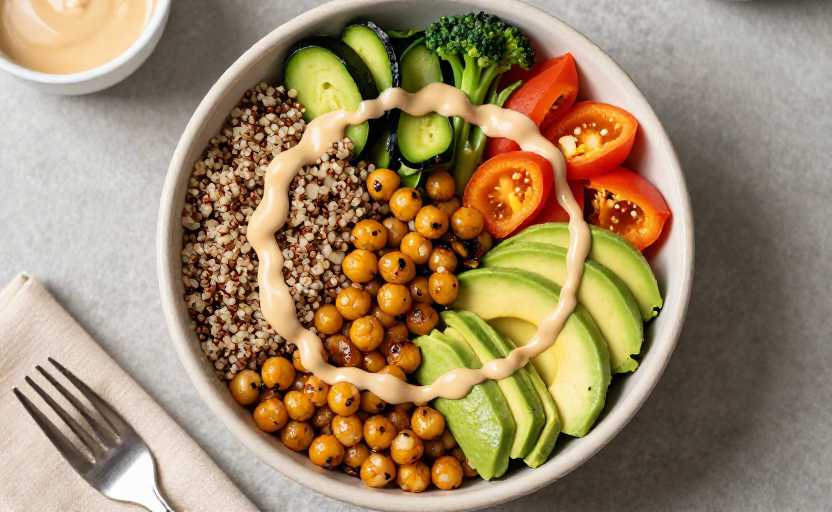
Many people know that they cannot eat spicy food or drink alcohol, but they have no idea about the invisible killers of high sugar and oil. There used to be a young man who works in the Internet. He suffered from reflux for almost half a year. He quit it early. He would order an iced Americano and a croissant for afternoon tea every afternoon. I asked him to replace the croissant with multigrain cake and the iced Americano with warm decaffeinated coffee. In the second week, he said that his acid reflux was reduced by half. Think about it, the butter in the croissant and the caffeine in the coffee are a double buff. On the one hand, the sphincter is so relaxed that it cannot be closed, and on the other hand, it takes two hours of digestion for the stomach to empty. It would be strange if there is no reflux. There is also a salad that many people like to order. It looks healthy. If you pour half a cup of Thousand Island dressing on it, the fat content is higher than that of a bowl of braised pork. The gastric emptying time will be directly extended to three or four hours. If you sit at your work station and work overtime after eating, the stomach acid will not rise up even if you don't have the half cup of dressing.
As for whether coffee and tea, which are the most frequently asked questions, can be touched, there is no need to kill them with a pole. Heavily roasted black coffee and strong tea contain high theophylline and caffeine content, and most people will have reactions if they drink it. However, if it is lightly roasted decaffeinated coffee, or warm green tea brewed with only a light color, many patients in the maintenance phase will have no problem drinking it. I usually advise patients to keep a small notebook to record what they drank and ate today. If they experience acid reflux or a sore throat within the next 2 hours, put this food on the blacklist. If there is no reaction, they can continue to eat it. After all, they can’t eat this or touch that every day, and life is too busy.
Another point that many people don’t pay attention to is that the amount you eat is actually more important than what you eat. I once had a patient who had a very strict diet. He couldn't help but eat two more bites at every family dinner. He would make the mistake every time he finished eating. Later, he learned wisely and drank half a bowl of warm millet porridge to pad his stomach before the dinner. When he felt that he could still eat two more bites, he put down his chopsticks and walked for half an hour before sitting down. After that, he never got sick again because of the dinner. There are also carbonated drinks, beans, and radishes that are easy to produce gas. Some people will experience reflux due to bloated stomach and increased gastric pressure, but some people will have no problem after eating them. There is no need to completely ban them. You will know whether they are suitable after you try them.
In fact, reflux esophagitis is ultimately a lifestyle disease. The list of taboos given by doctors is just a general reference. You don’t have to force yourself to eat anything. It’s more important to understand your body’s tolerance boundaries than anything else. Of course, if the acid reflux or burning sensation does not subside for a week, don’t rely on taboos to cope with it. When it’s time, ask a doctor to prescribe acid-suppressing and gastric motility medicines. Dietary adjustment is only a supplement, but don’t put the cart before the horse.
Disclaimer:
1. This article is sourced from the Internet. All content represents the author's personal views only and does not reflect the stance of this website. The author shall be solely responsible for the content.
2. Part of the content on this website is compiled from the Internet. This website shall not be liable for any civil disputes, administrative penalties, or other losses arising from improper reprinting or citation.
3. If there is any infringing content or inappropriate material, please contact us to remove it immediately. Contact us at: