Diet taboos for high proteinuria during pregnancy
The taboos between physiological proteinuria and pathological proteinuria are very different, so don't apply all taboos.
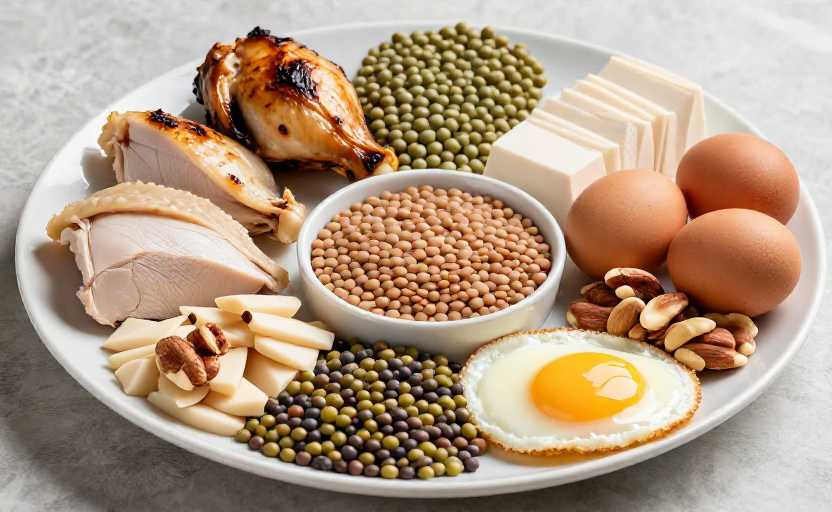
I went through this trap when I was pregnant with my eldest son. The routine prenatal checkup at 22 weeks of pregnancy showed that the proteinuria was 1+. I was so frightened that my legs went weak. I thought it was a kidney problem. Later, the doctor asked me about my diet the day before and found out that my husband and I went to a seafood buffet the night before. We showed off 6 plates of sweet shrimp and 2 cheesesteaks, and drank two glasses of iced Americano. This is a typical case of transient physiological proteinuria. To put it bluntly, the kidneys are like a filter. If you put in too much high-protein food at once, the sieve will be overloaded, and a small amount of protein will naturally leak out. It's not that the sieve is broken, but you are feeding it too hard. In this case, there is no need to deliberately avoid food. As long as you eat normally for the next three days, pay attention to wiping the vulva and retaining mid-section urine when urinating, you can basically return to normal after a review. Oh, by the way, there are also clinical studies showing that as long as pregnant mothers with simple physiological proteinuria do not have edema or elevated blood pressure, they do not even need to deliberately control salt. They can just eat normally. There is no need to eat salt-free meals every time, but they will be short of sodium, which will affect appetite and hinder fetal development.
If after investigation it is indeed pathological proteinuria - such as gestational hypertension, chronic nephritis and other problems, then you really need to eat more. When it comes to high protein intake, there are currently two different approaches in the academic community: one is a common recommendation from nephrology departments, which believes that urinary protein leakage has occurred, indicating that the glomerular filtration function is impaired. Protein intake must be strictly controlled to no more than 1g per kilogram of body weight per day to reduce the metabolic pressure on the kidneys. ; The other is a plan given by the obstetrics department for pregnant mothers with pregnancy-induced hypertension and hypoalbuminemia. It is believed that if general edema has occurred and the serum albumin is less than 30g/L, it is necessary to increase the intake of high-quality protein appropriately to avoid affecting the growth of the fetus. The specific choice should be combined with your prenatal examination indicators and listen to the judgment of the attending doctor. Don't blindly implement it after checking it online. I went with my best friend for a prenatal check-up and met a pregnant mother who was diagnosed with gestational hypertension and urinary protein 2+. I checked on the Internet and said that I should give up protein. She didn't even dare to touch eggs and milk. She lost 4 pounds in half a month and the fetus was still a week too small. Later, she was scolded by the doctor. After adjusting her diet, the indicators gradually stabilized.
I have to mention the pitfalls of high salt. This does not mean that you should not eat salt at all. If you already have edema and high blood pressure, it is enough to control your daily salt intake to half a beer cap (about 3g), such as bacon, pickles, candied fruits, etc. Try not to touch the invisible giants with high salt content. There was a greedy pregnant mother who was 28 weeks pregnant. She drank porridge with a pack of pickled mustard every afternoon. Within two weeks, her feet were so swollen that she couldn't wear shoes. The urine protein in the follow-up test directly rose to 2+. She controlled salt and eliminated most of it in a week. If it's too bland to eat, just season it with lemon, vanilla, onion, ginger, and garlic. Don't add oyster sauce, light soy sauce, or other seasonings that contain a lot of hidden salt.
Don’t think that you only need to pay attention to salt and protein because of high urinary protein. The impact of high sugar and high fat is also not small. When I was consulting in the nutrition department, I met a pregnant mother with gestational diabetes. Her urine protein could not be reduced to 1+. When I asked her, I found out that she had to eat a piece of cream cake with a cup of pearl milk tea every day. High blood sugar will slowly damage the capillaries of the kidneys, which is equivalent to enlarging the sieve holes in the kidneys. Natural protein leaks out more easily. Later, she strictly controlled sugar for two weeks, and the urine protein test turned negative after a follow-up test. Of course, you don’t have to be a complete ascetic. Occasionally, it’s perfectly fine to satisfy your cravings with a bite of cake and a sip of milk tea. Just don’t do it every once in a while.
Finally, I would like to remind you not to buy those Internet celebrity pregnancy supplements indiscriminately, such as protein drinks that claim to "long the fetus but not fat" and functional drinks that "remove edema". Many of them add excessive additives and diuretics, which will increase the burden on the kidneys. I once saw a pregnant mother who drank an Internet celebrity protein drink for half a month, and her urine protein directly rose to 3+, and it took a week to be hospitalized. It came down. If you really need to supplement nutrition, it is better to eat an egg and drink a glass of milk.
In fact, many abnormal indicators during pregnancy are not a scourge, and the same goes for high urinary protein. Don't be so hungry that you dare not eat anything at the first sign. Find out the reasons first, and then adjust your diet. This is better than anything else. When you are really in doubt, call the nutrition department and ask the doctor to customize a recipe for you. It is much more reliable than the messy taboos searched on the Internet.
Disclaimer:
1. This article is sourced from the Internet. All content represents the author's personal views only and does not reflect the stance of this website. The author shall be solely responsible for the content.
2. Part of the content on this website is compiled from the Internet. This website shall not be liable for any civil disputes, administrative penalties, or other losses arising from improper reprinting or citation.
3. If there is any infringing content or inappropriate material, please contact us to remove it immediately. Contact us at: