Fitness steps
There is no standard number of steps that suits everyone. The fitness value of steps is never linked to the absolute value of the number. It is only related to your exercise foundation, physical condition, walking quality and final fitness goal.
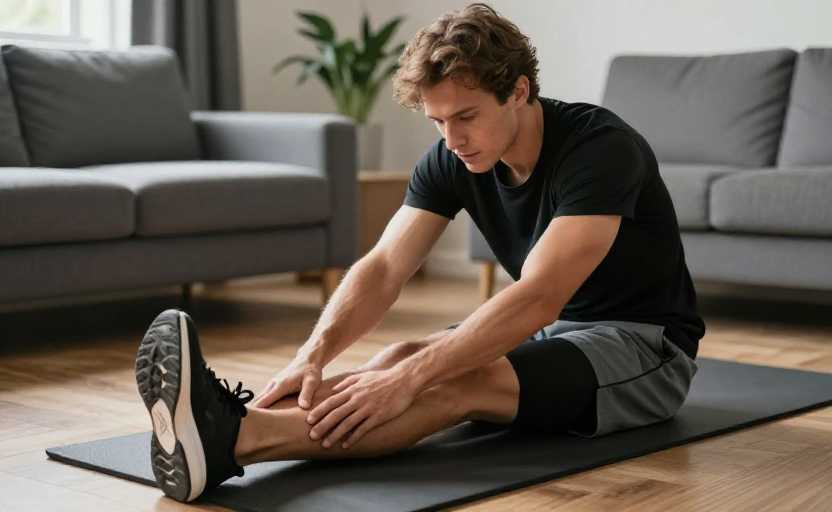
Speaking of which, I stepped into this pit two years ago. At that time, the WeChat step count ranking list was just popular. In order to get the first place in the circle of friends, I walked nearly 20,000 steps around the community after an hour of training. That night, my legs were so swollen that I couldn't put on slippers. The next day, I even squatted in the toilet and grinned in pain. Later, I encountered a similar situation when I was teaching students. A mother who had just given birth had an old knee injury. She followed the online tutorial and walked 10,000 steps. After walking for a week, her knees hurt so much that she could not hold the baby. Later, I adjusted her to intermittent brisk walking of 4,000 steps a day. Walking fast for three minutes and slowing down for one minute, she lost 2% of her body fat in a month, and her knees were fine.
In fact, the current understanding of step count in the industry has been divided into two directions. No one is right or wrong, it all depends on what you want. Research in the field of public health generally refers to the standards of the World Health Organization. Adults need to do 150 minutes of moderate-intensity aerobics per week to maintain basic health. The number of steps converted into steps is about 6,000 to 8,000 steps per day. When walking, you can talk normally but cannot sing coherently. The heart rate should be 60%-70% of the maximum heart rate (220 minus age). Even if you break it up into walking to and from get off work, adding this amount can reduce the risk of chronic diseases. But the theory in the strength training circle is completely different. Many coaches will tell you that step count is the scrap of "non-exercise activity thermogenesis". The calories you consume by walking 20,000 steps are not as good as exercising for an hour. If you walk too much during the muscle-building period, you will deprive the muscles of nutrients for recovery. People who train regularly three or four times a week will not increase their body fat even if they only walk 2,000 steps a day while sitting in the office.
I agree with both of these points of view, there is really no need to argue over each other. I have a middle-aged friend who doesn't exercise all year round. After eating every day, he walks 6,000 steps around the community and his fatty liver is gone. ; There are also bodybuilding enthusiasts who have been practicing for five or six years. During the muscle-building period, they deliberately take the elevator and walk less. The number of steps per day is only more than 1,000, but the muscle mass still increases. What is really useless are the "invalid steps" just to make up the numbers - the 1,000 steps I walked while walking on the subway, the 2,000 steps I took while looking at clothes while shopping in the mall, and even the steps recorded by someone who tied their mobile phones to their dogs. Apart from being able to put an
There is another point that has been controversial for a long time: will walking too much hurt the knees? I specifically asked a friend from the Sports Medicine Department of Peking University Third Hospital before, and he said that this must be done with certain prerequisites. You weigh two hundred pounds, wear hard-soled canvas shoes and grind hard on the cement floor. Walking five thousand steps will wear down your cartilage. ; But if you run all year round and have sufficient strength in your lower limbs, you won’t have any problem if you wear cushioning shoes and walk on the plastic trails. As long as your knees don't feel tingling or weak when you walk, and you're not so sore and swollen the next day that you can't move your legs, walk more or less depends on your comfort.
When I was preparing for a competition, I would also deliberately increase the number of steps, but I would never get stuck on the number. When I woke up in the morning and felt good, I would walk around the park for thirty or forty minutes, about three thousand steps. If I was not feeling well, I would step on the elliptical machine for ten minutes instead. On rainy days, I would just lie down at home. I have tried to take 10,000 steps a day before, and I was forced to walk for half an hour after doing leg exercises. On the contrary, the fatigue piled up too much, and the rate of body fat loss was not as stable as when I walked casually.
There is really no need to keep an eye on the step count rankings every day. Last week, my colleague walked downstairs for 40 minutes at 11 o'clock in the middle of the night in order to surpass the neighbor who ranked first. He was so sleepy at work the next day that he couldn't even wake up after drinking three cups of coffee. Is this a crime? To put it bluntly, the step count is just a tool to help you estimate the amount of daily activity. Today you went to the zoo with your parents and walked more than 10,000 steps. Being happy is the most important thing. If you work overtime tomorrow and only take a few hundred steps, you don't need to feel guilty. Fitness is meant to make you live more comfortably, not to give you another KPI to complete, right?
Disclaimer:
1. This article is sourced from the Internet. All content represents the author's personal views only and does not reflect the stance of this website. The author shall be solely responsible for the content.
2. Part of the content on this website is compiled from the Internet. This website shall not be liable for any civil disputes, administrative penalties, or other losses arising from improper reprinting or citation.
3. If there is any infringing content or inappropriate material, please contact us to remove it immediately. Contact us at: