Diet taboos for patients with cholecystitis
The core dietary taboos for patients with cholecystitis are to consume a large amount of high-fat and high-cholesterol foods in a short period of time. Secondly, they should avoid the intake of alcohol and highly irritating foods. The remaining taboos need to be flexibly adjusted according to different physical conditions during the attack and remission periods. There is no one-size-fits-all taboo list.
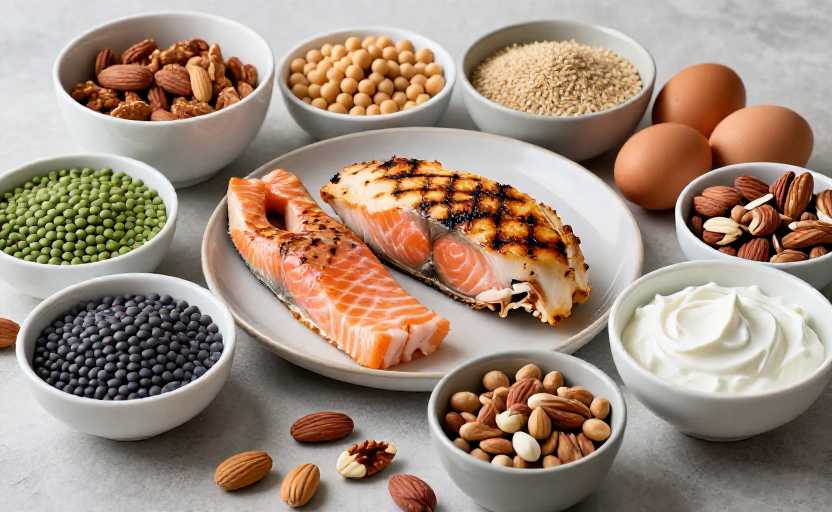
I met an old patient last week. He had not suffered from cholecystitis for most of the past six months. He attended his nephew's wedding on National Day. He ate two extra pieces of pork belly and drank half a glass of white wine with his relatives. At about ten o'clock that night, he was so painful that he broke out in a cold sweat. His family called 120 and took him to the emergency room. After a checkup, he found that he had an acute attack of cholecystitis. He almost lost the stone stuck in the cystic duct to the common bile duct. It took him three days to be discharged from the hospital.
When many people are first diagnosed with cholecystitis, their first reaction is to insulate themselves from meat. Even if they put a few drops of oil in cooking, they have to use a spoon to measure it for a long time. It is really unnecessary. In the early years, the clinical consensus was that oil should be strictly prohibited in the acute phase, and even short-term fasting should be supported by parenteral nutrition. Now the new guidelines have actually been adjusted. If there is only slight distension in the right upper quadrant, and there is no fever, jaundice, or severe colic, it is not even necessary to completely cut off oil. Eating a small amount of light lean meat and steamed fish can help the bile to be emptied regularly and reduce the risk of cholestasis and stones.
As for egg yolks, which many people think are discolored, there are indeed different opinions in the academic circles: the old school of clinical advice is to completely stop eating egg yolks once cholecystitis is diagnosed. After all, egg yolks have high cholesterol content, which can easily stimulate gallbladder contraction and cause discomfort.; However, nutrition research and new clinical guidelines in recent years have pointed out that dietary cholesterol contributes less than 30% to human blood cholesterol levels. As long as there is no bloating or pain after eating, eating half or even a whole egg every day can supplement lecithin and help lipid metabolism. There is no need to discard it completely. For my own patients, I usually let them try eating. If they feel uncomfortable, stop eating. If there is no reaction, they can eat normally. There is no need to hold on to eating only protein.
Don’t underestimate those invisible high-fat foods that don’t taste greasy. This is the culprit of many people getting sick inexplicably. Last year, I saw a 19-year-old girl who did not dare to eat regular meals during her weight loss period. She only ate soda crackers and whole-wheat crisps as her staple food. After half a year of eating, cholecystitis developed an acute attack. When the CT scan was performed, her gallbladder was full of silt-like stones. She was confused. She said that she had not touched braised pork in half a year, how could she get this disease. If you look at the crispy soda biscuits sold on the market, the fat content is generally over 20%, as well as the non-dairy creamer in milk tea, the butter added to Internet celebrity bread, and even some salad dressings. The fat content is higher than that of braised pork. You don’t feel greasy when you eat it. A large amount of fat enters the intestines in a short period of time, and it is easy to cause problems when the gallbladder contracts hard.
You should also pay attention to some foods that are not high in fat, such as cold beer, iced milk tea just taken out of the refrigerator, and super spicy millet cooked in hot pot. These foods will not directly increase bile secretion, but will stimulate gastrointestinal spasm and cause the gallbladder to contract. People with stones can easily squeeze the stones into the cystic duct to induce colic. There are many such cases in emergency rooms in summer, and accidents are caused by drinking cold beer while eating skewers.
By the way, many people ask if they can drink milk? In fact, it also depends on your tolerance. If you feel uncomfortable after drinking whole milk, switch to low-fat or skim milk. If you don’t have any reaction after drinking it, one box a day is totally fine. On the contrary, it can supplement high-quality protein, enhance immunity, and reduce the probability of recurrence of inflammation.
The thing I usually tell patients the most is, don’t stick to the taboo list on the Internet when eating. Your body is more accurate than all recipes. Half an hour to two hours after eating something, there is no feeling of distension or pain in the right upper abdomen. Even if it is something that others say you should never touch again, you can still eat a small amount. ; If you feel uncomfortable eating it, even nuts and avocados that everyone says are healthy, stop eating them for three months. After all, everyone’s gallbladder contraction function and inflammation level are different, so there is no one-size-fits-all list that suits everyone.
In the final analysis, diet control for cholecystitis is a long-term matter. It does not mean that if you commit it once, you will be insulated from food for the rest of your life. As long as you don't be greedy for too much, don't overeat exciting foods, find out your tolerance level, and keep up with the nutritional supplements you need, it will be much better than not daring to eat this or that, and not being able to keep up with your nutrition every day.
Disclaimer:
1. This article is sourced from the Internet. All content represents the author's personal views only and does not reflect the stance of this website. The author shall be solely responsible for the content.
2. Part of the content on this website is compiled from the Internet. This website shall not be liable for any civil disputes, administrative penalties, or other losses arising from improper reprinting or citation.
3. If there is any infringing content or inappropriate material, please contact us to remove it immediately. Contact us at: