Foods that children with allergies can eat
There is no universal "safe food list" for children with allergies. There is only one core judgment standard: Foods that have been tested for allergens and combined with actual eating provocation tests to confirm that they will not cause allergic reactions in themselves can be eaten normally. There is no need for additional blind taboos unless there are special circumstances.
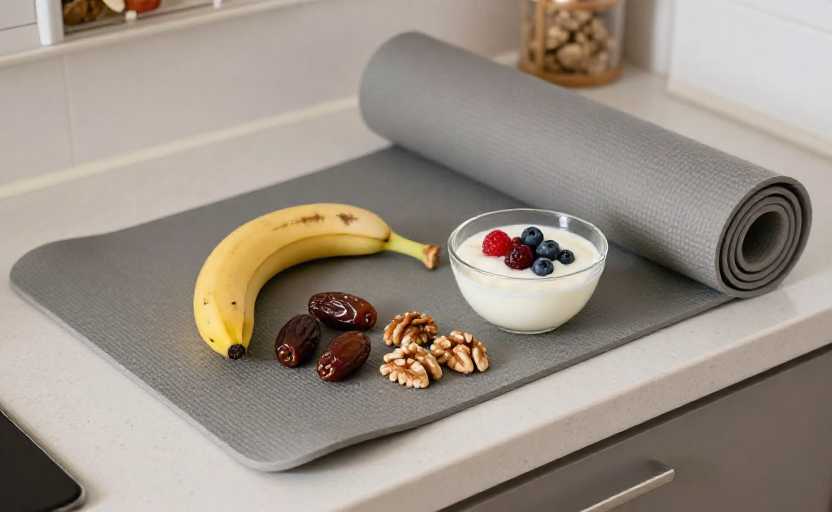
My best friend's baby was diagnosed with milk protein allergy when he was just one year old. The elderly at home were so panicked that they even banned eggs, fish and shrimp from the baby. He said, "The lighter the food, the better." Later, I went to the pediatric allergy clinic of a tertiary hospital for a standardized IgE allergen test + food After a chemical challenge test, it was discovered that the baby is only allergic to milk protein, and there is no problem with eggs, shrimps, and wheat. Now that the baby is 5 years old, except for ordinary fresh milk and cakes containing milk, he eats the same as ordinary children. His height and weight are still half a head taller than babies of the same age. Pediatric allergists I know often say that food allergies are the most taboo for sensitive babies. Many parents block all the "highly allergenic foods" mentioned on the Internet when they see their baby develop eczema or sneeze. In the end, the baby eats only white porridge and vegetables. The nutrition cannot keep up with the poor immunity, and the allergy keeps getting better. There are really too many cases like this.
In fact, academic views on Minwa's diet have also changed over the years. A few years ago, it was generally recommended that babies with a high risk of allergies should be introduced to highly allergic complementary foods such as eggs and peanuts later, preferably after 1 year old. ; However, the latest evidence-based medical opinion now recommends that as long as the baby is over 6 months old and does not have severe allergic attacks, he should try a small amount of common allergenic foods as early as possible (around 6 months old), which can reduce the probability of allergies in the long run. Both views are currently supported by clinical data. The specific choice should be based on the actual situation of your child and follow the doctor's advice. There is no need to rigidly apply a certain statement.
If you are really unsure about what your baby can and cannot eat, don’t search blindly on the list on the Internet. Go to a regular hospital for an IgE-mediated allergen test first - don’t believe the food intolerance IgG test that costs hundreds of dollars to check dozens or hundreds of items. That stuff has long been refuted by academic circles and has no clinical reference value at all. It will find a lot of "intolerant" foods, and in the end, it will be a trap for your baby to avoid all foods. Once you get the accurate allergen results, you can eat normally except for foods that are clearly allergenic and foods that are at risk of cross-allergy to them and should be avoided. For example, children who are allergic to mango may also be at risk of cross-allergy to cashews and pistachios from the Anacardiaceae family. Just pay more attention when eating them for the first time. However, there is no need to specifically limit foods such as lean pork, broccoli, pumpkin, apples, and rice that are inherently low in allergens. As long as there is no redness, rash, or vomiting reaction after eating them.
Nowadays, many parents are still struggling with whether to buy organic ingredients for Minwa, and there is actually no final decision on this matter. One school of thought believes that organic food contains fewer pesticides and herbicide residues, which can reduce stimulation of the immune system of sensitive children and reduce the risk of allergic attacks. ; The other group believes that there is currently insufficient large-sample clinical data to prove that organic ingredients are more friendly to Minwa than ordinary ingredients. As long as ordinary ingredients are cleaned and cooked thoroughly, there will be no problem at all. There are parents around me who buy all the food organically, and some who just eat food from ordinary wet markets. As long as the baby doesn’t react after eating it, it’s actually no problem and there is no need to be kidnapped by consumerism.
My downstairs neighbor’s child is allergic to wheat and dust mites. At first, the whole family ate gluten-free rice for three months. Later, we found out that the child can only eat noodles, bread, and steamed buns made from wheat. He can eat rice, corn, and pure oats without cross-contamination. Now his family usually makes corn cakes, rice porridge with fried shrimps, and occasionally buys gluten-free cookies from regular manufacturers as rewards. The child also won the first place in the sprint at the last kindergarten sports meeting. He is very strong.
In fact, there is really no need to raise children with allergies too "coquettishly". Many parents always feel that their children cannot eat this or touch that. Instead, they develop picky eaters in their children. As long as you find the right allergens to avoid and try the remaining foods as rich and diverse as possible for your baby, their nutrition will keep up and their immunity will improve. Many babies' allergies will naturally resolve when they grow up. Oh, by the way, if the baby eats a food that he has never eaten before for the first time, only add one kind at a time, and if there is no reaction after 3 days, add the next kind. Just write down this little trick. It’s really not difficult.
Disclaimer:
1. This article is sourced from the Internet. All content represents the author's personal views only and does not reflect the stance of this website. The author shall be solely responsible for the content.
2. Part of the content on this website is compiled from the Internet. This website shall not be liable for any civil disputes, administrative penalties, or other losses arising from improper reprinting or citation.
3. If there is any infringing content or inappropriate material, please contact us to remove it immediately. Contact us at: