wheat bran food allergy
Wheat gluten food allergy is an abnormal immune response produced by the human immune system to wheat bran (i.e. gluten, the main component is gliadin) contained in wheat, barley, rye and other grains. It does not belong to "squeamishness" or "bad gastrointestinal". There is currently no cure. The only intervention method that has been clinically proven to be universally effective is to strictly avoid all foods containing wheat gluten.
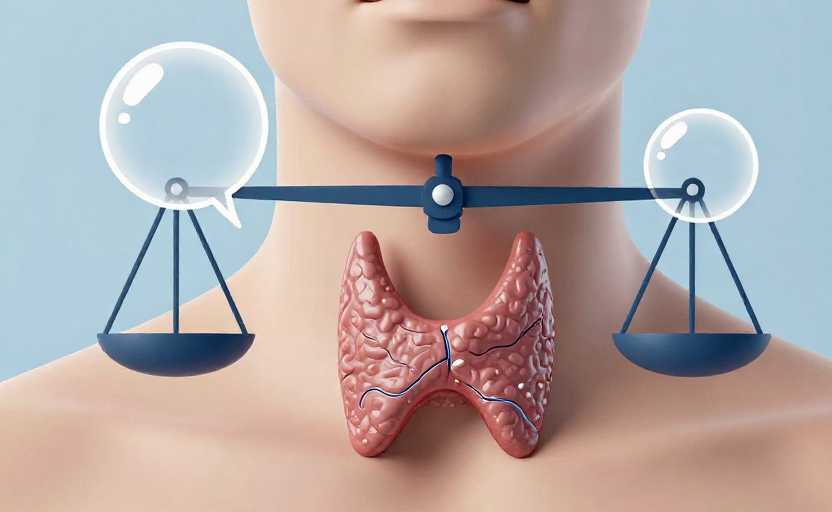
Not long ago, when I was helping sort out cases in the allergy department, I met a 9-year-old boy. His parents took him to three or four hospitals for treatment of "chronic diarrhea". In the past six months, he drank countless spleen-strengthening traditional Chinese medicines, and he weighed almost ten pounds less than children of the same age. When he finally checked for allergens, it was found that he was allergic to wheat bran. All the noodle buns he had eaten before were the "culprits" in inducing symptoms.
Speaking of which, a few years ago, there was a lot of quarrel in the academic community about the scope of wheat gluten allergy. One group of gastroenterologists believed that except for celiac disease with clear autoimmune antibodies, other discomforts caused by eating wheat gluten were "psychological effects" and fell into the category of irritable bowel. Until 2021 In 2016, WHO updated the classification of wheat gluten-related diseases, officially classifying "non-celiac disease gluten sensitivity" as a related subtype of wheat gluten allergy. This rectifies the name of these patients - after all, some people really get rashes, flatulence, and migraines after eating wheat bran. They can't all be fake, right?
For people who are truly diagnosed with gluten allergy, the first thing they need to learn is not to find alternative staple foods, but to avoid pitfalls. Don’t think that only obvious flour products such as noodles, bread, and cakes contain wheat bran. Brewed soy sauce, hot pot meatballs, thickening of prepared dishes, and even many instant oats labeled “no additives” sold in supermarkets may contain wheat bran due to cross-contamination during the production process. I have a friend who has been ill for almost 5 years. Last month he was admitted to the hospital after eating a "gluten-free salad" from a popular snack store. Later, he found out that the store's chef had kneaded the wheat flour pizza without wiping the work surface, and mixed the salad directly with the crumbs on it, which triggered his allergy.
As for desensitization treatment that many people ask about, there is currently no unified statement in the industry. Some doctors will recommend that school-age children try oral immune tolerance therapy, which involves slowly exposing them to wheat gluten protein at a low dose and gradually building up tolerance. Clinical data shows that it is effective in about 60% of children. However, some doctors feel that there is no need to take this risk - after all, the desensitization process may induce severe anaphylactic shock, and as long as wheat gluten is strictly avoided, the patient's quality of life and lifespan will be the same as that of healthy people, so there is no chance of gambling.
Oh, by the way, many people are now following the trend of eating gluten-free diet to lose weight, saying that it can fight sugar and reduce edema, but it is really unnecessary. Healthy people have no problem digesting wheat gluten. On the contrary, gluten-free products usually add more fat and additives for taste, and generally lack B vitamins and dietary fiber. I have met several girls who followed the trend and ate gluten-free meals for a month, and finally went to the doctor because of angular stomatitis and constipation. It was just a waste of time.
In fact, gluten allergy itself is not a particularly scary disease. The most troublesome thing is the poor understanding of the public - either the patients think it is hypocritical, or gluten-free is touted as a universal health code, which is biased by both ends. If you really feel uncomfortable after eating pasta, don't just drink spleen-strengthening medicines, check the allergens first, it's better than anything else.
Disclaimer:
1. This article is sourced from the Internet. All content represents the author's personal views only and does not reflect the stance of this website. The author shall be solely responsible for the content.
2. Part of the content on this website is compiled from the Internet. This website shall not be liable for any civil disputes, administrative penalties, or other losses arising from improper reprinting or citation.
3. If there is any infringing content or inappropriate material, please contact us to remove it immediately. Contact us at: