Sleep health education
Whether it matches your own circadian rhythm, whether it can support your normal activities during the day, and whether pathological damage has been ruled out, the so-called unified requirements of "you must sleep for 8 hours" and "not sleeping before 11 o'clock will damage the liver" may be the source of sleep anxiety for many people.
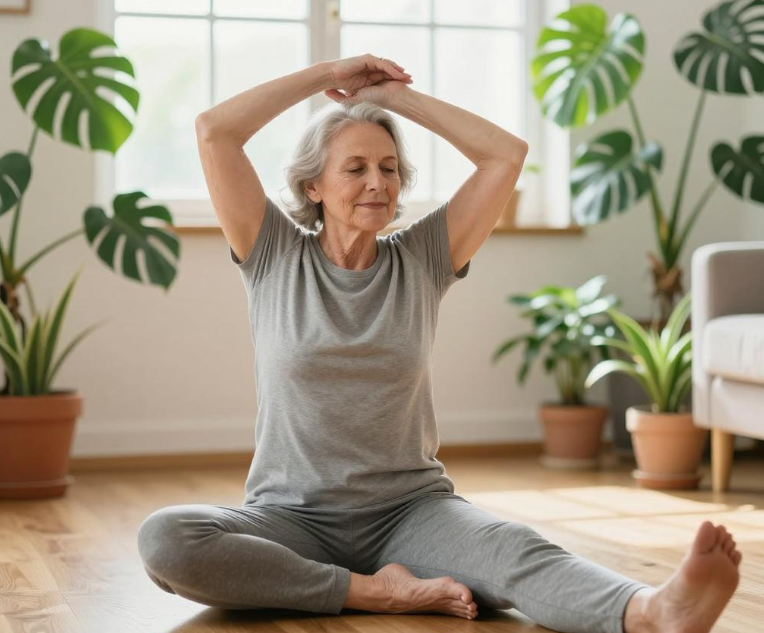
In the three years I have been doing sleep science popularization in the community, I have met no less than a hundred people who have suffered from insomnia because of the "standard sleep". The one who impressed me the most was a post-95s girl who worked in Internet operations. At that time, I saw on the Internet that "going to bed at 10 o'clock is for beauty sleep, and starting at 7 o'clock to detoxify the body." She deliberately adjusted her original schedule of going to bed at 12 o'clock and starting at 8 o'clock by 2 hours. I tossed and turned in bed until after 1 o'clock before falling asleep. When the alarm went off at 7 o'clock in the morning, my whole body felt like I had been run over by a truck. This lasted for half a month. Not only did I have acne all over my face, but I also made two wrong activity plans at work. When I came to see me for consultation, I almost cried. Later, we performed rhythm monitoring on her for two weeks and found that she has a typical nighttime schedule. The peak of melatonin secretion is after 11:30. Forcing her to go to bed early is equivalent to forcing herself to fall asleep during the "physiological awakening period". It would be strange if she is not anxious. Later, she adjusted her schedule back to sleeping at 12 o'clock and waking up at 8 o'clock. Within a week, she said that she was "finally alive."
At this point, some people may ask, is the authority’s statement that “adults need to sleep for 7-9 hours” a lie? Of course not, this is universal guidance for the entire population, but when it comes to specific individuals, there is room for variation. Moreover, there have been different research conclusions in the field of evolutionary anthropology in recent years: A team from the University of Oxford tracked the sleeping habits of three existing hunter-gatherer tribes in Africa for three years and found that these people who do not have electronic devices and follow natural rhythms do not have the habit of "sleeping for 8 hours continuously" at all. They generally sleep for 3-4 hours after dark, wake up for about an hour of activity, and then sleep for 3-4 hours, for a total of 6-7 hours. The incidence of high blood pressure and cognitive decline is much lower than that of people in industrial societies. There are even studies that confirm that as long as you feel good about yourself, segmented sleep and congenital short sleep (within 6 hours a day) will not cause irreversible damage to health.
But don’t just read this and think, “I can stay up as long as I want.” I have also met many young people who use the “short sleep gene” as an excuse to stay up late. They obviously stayed up until 3 o’clock one day and fell asleep even in meetings the next day, but they still insist that they don’t need to sleep that long. A real red line should be drawn here: If you frequently feel drowsy during the day after waking up, cannot concentrate for more than 10 minutes, are irritable and irritable at every turn, or after falling asleep, your family members say that you snore like thunder, or even snore often and suddenly become silent, and then suddenly sound louder again after a few seconds. Take a breath. If you wake up with a dry mouth and a headache, don’t bear it. There is a high probability that there is something wrong with your sleep. The latter is clinically called obstructive sleep apnea. Regardless of whether it will increase the risk of cardiovascular and cerebrovascular diseases in the long term, it has nothing to do with "sleeping soundly".
As for the most frequently asked question, "Can you check your phone before going to bed?", there is no unified conclusion in the academic community. The traditional view is that the blue light from mobile phones inhibits the secretion of melatonin, and all electronic devices must be turned off one hour before going to bed. However, in recent years, many sleep doctors have pointed out that if you browse your mobile phone for relaxing content that does not use your brain, and adjust the screen brightness to the lowest, it is much stronger than if you lie in bed and force yourself to sleep, and your mind is filled with the anxiety of "Why am I not asleep yet? If I can't sleep again, I will be dead tomorrow." When I suffer from insomnia, I don’t just lie down. I get up and read two pages of non-nutritious comics, or watch a 10-minute slow video of cooking in the countryside. I feel sleepy in about 10 minutes, and I fall asleep. It’s better than lying down until two or three o’clock.
In fact, to put it bluntly, sleeping is just like eating and drinking. It is human instinct and does not need so many restrictions at all. If you are born to go to bed early and get up early, that's great. If you are born to be a night owl, as long as you can ensure that you are not sleepy during the day and have no physical problems, there is no need to force yourself to synchronize with others. Don't regard sleep as a KPI to be completed. The more you stare at it, the more it will work against you. Relax, sleep when you are sleepy, and lie down for a while when you are not sleepy. It is more effective than any health prescription.
Disclaimer:
1. This article is sourced from the Internet. All content represents the author's personal views only and does not reflect the stance of this website. The author shall be solely responsible for the content.
2. Part of the content on this website is compiled from the Internet. This website shall not be liable for any civil disputes, administrative penalties, or other losses arising from improper reprinting or citation.
3. If there is any infringing content or inappropriate material, please contact us to remove it immediately. Contact us at: