There are three ways to deal with crotch muscle strain
Muscle strain is one of the common symptoms in daily life. How should you deal with crotch muscle strain? I believe many people want to know, so what are the treatment methods for crotch muscle strain? Let’s follow the editor to learn how to deal with crotch muscle strain!
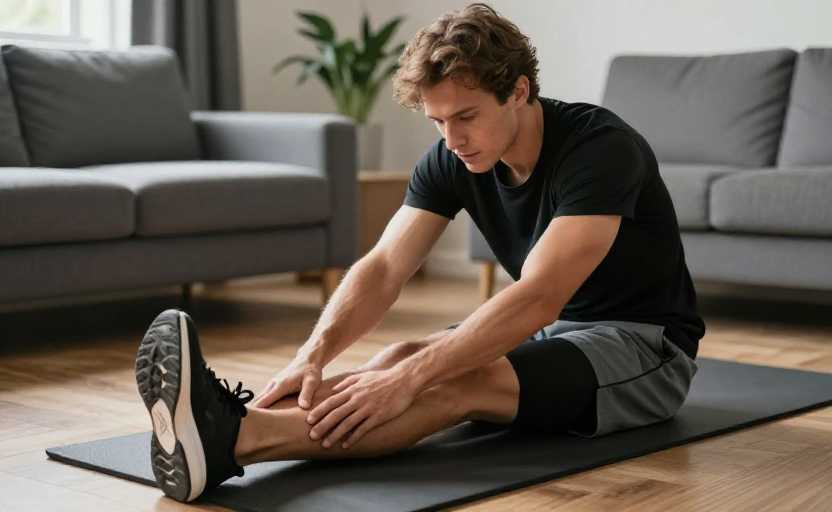
Treatment of crotch muscle strain
The principles of early treatment are immobilization, hemostasis, prevention of swelling, and analgesia. First apply a cold compress, apply ice cubes to the affected area, or put the injured limb into cold water, or rinse it under tap water. Apply a cold compress followed by a pressure bandage and elevate the limb. This method can stop bleeding, analgesia, and prevent swelling. When bandaging, first use a sponge pad to cover the injured area, and then wrap it with an elastic bandage with moderate tightness. The bandage will be removed after 24 hours, and treatment will be done depending on the severity of the injury. It is not advisable to perform massage and physical therapy in the early stage, otherwise it will aggravate bleeding and tissue exudation, and increase swelling. Avoid repeating the injury-causing movements within three days after the injury. Functional exercises can be performed after three days. After a week, you can gradually resume exercise, but do not cause pain to the injured area when stretching.
Drugs: Yunnan Baiyao, positalin, safflower oil, rub in.
Items: In addition to using elastic bandages on muscle strains, sleep Bring them all. Recovery is great.
How to train crotch muscles
side angle
1. Stand with your feet one leg apart, turn your right foot outward 90 degrees, and your left foot slightly inward.; With your hips and chest forward, inhale, extend your arms from both sides of your shoulders, palms down, keeping your shoulders wide and away from your ears. Exhale and bend your right knee until your knee is over your ankle. Keep the posture stable and breathe relaxed.
2. Still keeping the body forward, breathe, extend the spine, bend the body to the right, support the right forearm on the thigh, turn the left palm up and lift the left arm to extend parallel to the left side of the body. Continue to open your chest, adjust your core, draw your tailbone back slightly, and retract your shoulder blades. With your foot firmly planted, feel the stretch from your left heel to your left fingertips. Pay attention to the stability of the posture, make sure that the right knee is always above the ankle, and the outside of the left foot presses against the floor.
Side Angle Pose is excellent for the hips and pelvis, developing stability and flexibility in the hips at the same time. The side angle pose increases the flexibility of the deep hip joints and can also strengthen the quadriceps on the front of the thigh and other muscles around the crotch. Stretch the entire side of your body while opening your chest.
Lunge variations
Stand 3 feet away from a chair and place your left foot on the seat of the chair. Bend your left knee and distribute your body weight evenly on both legs. Keep your spine straight upward. Place your hand on your left thigh. Keep your right leg straight with your toes pointing straight ahead. Gradually deepen the flexion of the hip joints and move the hips downward toward the floor. Relax and breathe freely. After a few breaths, switch sides.
Lunges and variations of lunges are a great pose for correcting hip and lower back alignment. The iliopsoas muscle is responsible for folding the hips (thighs closer to the hips), connecting the lumbar spine, and connecting the thighs to the hips.
Foot-binding style
Keep the back of your hips and the base of your spine as close to the wall as possible, feeling like it extends upward from the top of your head. Bend your knees, hold your feet, and relax your knees down toward the floor. Then use the palm of your hand to massage the inner thigh from the femoral groove to the knee with a little pressure. Finally, if you can bear it, gently press your knees and inner thighs toward the floor with your hands. Maintain the pose for several breaths and breathe steadily and evenly. You can also bend forward to deepen the pose.
The foot-binding pose is difficult for many students because tightness in the inner thighs and femoral groove is very common. One of the best ways to relax is to do this pose with your back against a wall.
Disclaimer:
1. This article is sourced from the Internet. All content represents the author's personal views only and does not reflect the stance of this website. The author shall be solely responsible for the content.
2. Part of the content on this website is compiled from the Internet. This website shall not be liable for any civil disputes, administrative penalties, or other losses arising from improper reprinting or citation.
3. If there is any infringing content or inappropriate material, please contact us to remove it immediately. Contact us at: