Wheat allergy foods
Foods that people with wheat allergies need to strictly avoid include all foods processed with wheat as raw materials, processed products containing wheat-derived ingredients, and foods with the risk of wheat cross-contamination. There is no universal safe range of "eating a small amount and it's okay". The specific edible range needs to be judged based on personal allergen test results.
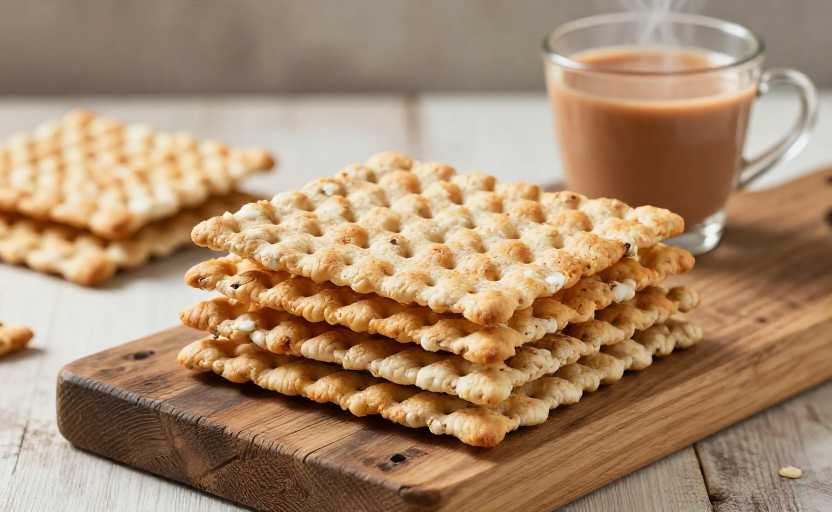
Wheat allergy is essentially an IgE-mediated type I hypersensitivity reaction. To put it bluntly, the immune system regards certain proteins in wheat as invading "enemies" and triggers an immune alarm upon contact. In mild cases, it may only cause itchy skin and rashes, while in severe cases, it may cause laryngeal edema and anaphylactic shock. This is no joke.
Not to mention the commonly eaten staple foods such as steamed buns, noodles, steamed buns, dumplings, bread, biscuits, and pizza, there are also derivative ingredients such as gluten, roasted bran, wheat germ, and ordinary oatmeal. If wheat or wheat flour is written at the front of the ingredient list, you basically have to pass it directly. Most people can notice this part, and there are not many people who step on it.
What is really easy to get caught are those wheat-derived ingredients hidden in the corners of the ingredient list. Last year, I met a 6-year-old child with a wheat allergy. His parents were usually very strict and never allowed him to eat pasta. But one day, he suddenly developed wheals all over his body after eating a child's cod sausage bought in the supermarket. After looking through the ingredients list, he finally found "wheat hydrolyzed protein" in the penultimate line. This stuff is often used as a thickener and flavor enhancer, and cannot be tasted when added to meat products, sauces, and snacks.
There are many similar pitfalls. For example, the traditional brewed soy sauce used in daily life is mostly fermented by wheat and soybeans. I have a friend who is severely allergic to wheat. In the past, when eating sashimi out, he only dared to dip it in vinegar because he was afraid that the trace wheat content in the soy sauce would cause laryngeal edema.; There are also seasonings such as curry cubes, salad dressing, sand tea sauce, and sweet noodle sauce. In all likelihood, wheat flour is added to thicken them. Even ice cream and toffee, which many people think have nothing to do with wheat, may also have wheat starch added to adjust the taste.
At this point, some people may ask, is it safe to eat gluten-free food? In fact, there have always been two different approaches to this problem in allergy departments: one group believes that wheat allergy and gluten-related celiac disease have different pathogenesis. Some patients are only allergic to albumin and globulin in wheat, and there is no cross-reaction to gluten from other grains. As long as they accurately avoid wheat-related ingredients, there is no need to avoid barley and oats as well. ; The other group considers that the probability of cross-contamination during grain processing is extremely high, and some patients do have cross-allergies to multiple grain proteins. It is relatively safer to avoid all gluten-containing grains as long as wheat allergy is confirmed. Allergy patients around me have both methods. In the final analysis, you still have to combine your own allergen test results and actual tolerance. There is no need to copy other people's work.
What is even more difficult to guard against is cross-contamination. A while ago, I read a story from a patient who ordered French fries outside that were labeled gluten-free, but still became allergic after eating them. After asking the merchant, I found out that the frying pan used for French fries was also used to fry chicken tenders coated in wheat flour, and the wheat flour residue floating in the oil is enough to cause allergic reactions in people with allergies. Similarly, the rolling pin shared at home, the cutting board on which the bread is cut, and even the flour dust from the bakery may cause allergic reactions. This really should not be ignored.
Many people also ask whether they can eat a small amount and slowly become desensitized. This also depends on the situation: nearly 60% of wheat allergies diagnosed in childhood will gradually become tolerated in adolescence. Many pediatric allergy departments will perform step-by-step oral tolerance induction for young children after evaluation. There are indeed many successful cases.; However, most confirmed wheat allergies in adults are lifelong. If you try to eat a small amount rashly, it is likely to cause a severe allergic reaction. Most doctors will recommend strict avoidance.
In fact, wheat allergy can be both troublesome and simple. When shopping, you should always look at the ingredient list. If you see ingredients such as "wheat flour, wheat starch, wheat hydrolyzed protein, wheat dietary fiber, and gluten powder," just avoid them. When eating out, ask more about whether wheat is added to the ingredients and whether there is cross-contamination. If you are unsure, don't touch it. After all, your body is your own, so it is always right to be safe.
Disclaimer:
1. This article is sourced from the Internet. All content represents the author's personal views only and does not reflect the stance of this website. The author shall be solely responsible for the content.
2. Part of the content on this website is compiled from the Internet. This website shall not be liable for any civil disputes, administrative penalties, or other losses arising from improper reprinting or citation.
3. If there is any infringing content or inappropriate material, please contact us to remove it immediately. Contact us at: